

Bitcoin Crossroads: How Politics, Corporate Treasuries, and Global Policy Shape the 2026 Crypto Market

Bitcoin faces a defining moment in 2026. Political leaders embrace it, public companies stake billions on it, Asian firms build new financial rails with it, and regulators still prosecute crimes around it. We track every major force moving the market right now and explain what happens next.
In This Analysis:
- How Trump family involvement impacts Bitcoin sentiment
- Why Strategy’s $54B Bitcoin treasury still matters after volatility
- What Standard Chartered’s $100K call means for institutional adoption
- How Japan’s Metaplanet builds Bitcoin-backed credit
- What the Karnataka Bitcoin scam reveals about enforcement gaps
1. The Trump Effect: Politics Pushes Bitcoin Into Mainstream Policy
Political capital now flows directly into Bitcoin. President Donald Trump confirmed that U.S.-Iran talks will continue despite the ceasefire ending, and traders watched Bitcoin extend gains on the news. Markets interpret geopolitical stability as a risk-on signal, and Bitcoin benefits when investors seek non-sovereign assets.
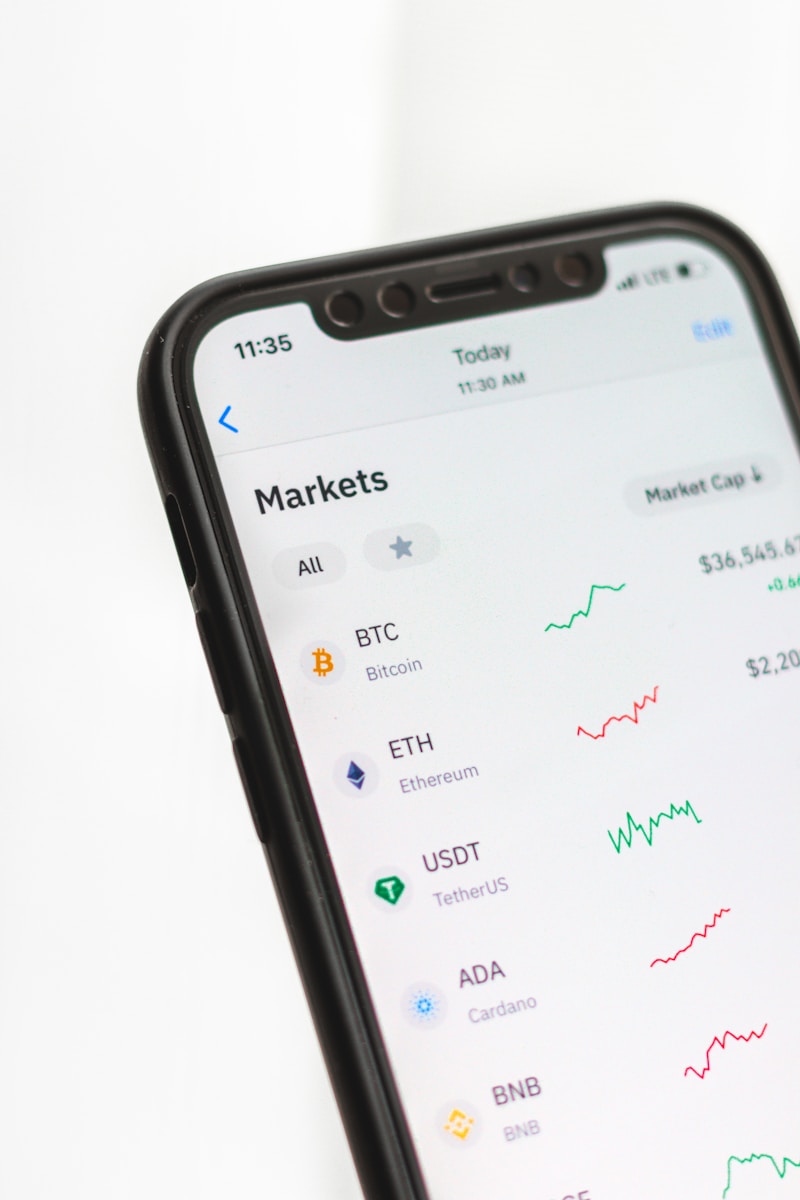
The Trump family deepens that connection. Eric Trump leads American Bitcoin Corp, a Donald Trump-backed firm that recently reported a $600 million paper loss tied to Bitcoin’s price drop. Critics call the bet risky amid the AI boom, but supporters argue the firm accumulates BTC for a long-term treasury strategy. Either way, the White House keeps crypto in the headlines.
Key Takeaway: We see political endorsement cut both ways. It brings regulatory attention and mainstream legitimacy, but it also ties Bitcoin’s price to political fortunes. Traders must now track diplomacy and policy speeches alongside on-chain data.
Why Political Endorsement Moves Markets
Government leaders influence three things: regulation, sentiment, and institutional access. When a sitting president discusses Bitcoin during foreign policy updates, he signals that the asset class deserves serious attention. Fund managers take note. We saw similar price action when El Salvador adopted BTC in 2021. The 2026 version involves the world’s largest economy.
However, political exposure creates volatility. Eric Trump’s $600M loss headlines show the downside. American Bitcoin Corp bet big while AI stocks rallied, and the timing hurt short-term valuations. The firm still holds BTC, so the loss remains unrealized unless they sell. Long-term holders call this a “buy the dip” moment, while critics question corporate crypto treasuries altogether.
2. The Corporate Treasury Playbook: Inside Strategy’s $54 Billion Bet
Strategy, formerly MicroStrategy, wrote the corporate Bitcoin playbook. The company now runs a $54 billion BTC treasury, and investors want to know who manages it. Beyond Michael Saylor, executives like CFO Andrew Kang, Treasurer Shirish Jajodia, and board members Stephen and Thomas Chow run Strategy’s Bitcoin Brain Trust.

The team treats Bitcoin as a primary reserve asset. They issue convertible debt, buy BTC during drawdowns, and refuse to sell. That conviction faced a test recently. Standard Chartered analysts noted that Strategy executed a “BTC dump,” yet the bank maintains its $100K Bitcoin price target. Standard Chartered lauds Strategy’s evolving approach and says it could renew investor confidence.
Breaking Down the $100K Bitcoin Call
Standard Chartered bases its $100,000 target on three factors:
| Factor | Impact on Bitcoin | Current Status 2026 |
|---|---|---|
| ETF Inflows | Sustained institutional buying pressure | Spot ETFs now hold >5% of circulating supply |
| Halving Supply Shock | Reduced new BTC issuance | Post-2024 halving effects still playing out |
| Corporate Adoption | Balance sheet demand removes liquid supply | Strategy leads, Metaplanet follows in Asia |
We see Strategy’s model spreading. The company proves that a public firm can hold Bitcoin long-term despite volatility. When Standard Chartered backs that model, it gives other CFOs cover to propose BTC allocations to their boards.
The Risk of Concentration
Strategy owns over 1% of all Bitcoin that will ever exist. That concentration creates both strength and risk. If the company faces debt pressure, a forced sale could crash the market. The “BTC dump” Standard Chartered referenced shows that even Saylor’s team takes profits or rebalances. Investors must track Strategy’s debt maturities and SEC filings as closely as they track the Fed.
3. Japan’s Bitcoin Credit Revolution: Metaplanet and JPYC
While U.S. firms debate holding Bitcoin, Japan builds with it. Metaplanet, a Tokyo-listed Bitcoin treasury firm, launched a digital credit system backed by Bitcoin and JPYC, a yen stablecoin. The company partners with security and financial firms to let users borrow against BTC without selling it.

This move matters for three reasons. First, it gives Bitcoin utility beyond “digital gold.” Users access liquidity while keeping upside exposure. Second, it exports the U.S. corporate treasury model to Asia with a local twist. Third, it combines BTC with a regulated stablecoin, which satisfies Japanese regulators who demand consumer protection.
Why JPYC Changes the Game: Japan’s Financial Services Agency approved JPYC as a funds transfer service provider. When Metaplanet pairs volatile BTC with a stable, regulated yen token, it creates a credit product that institutions can actually use. We expect other Asian firms to copy this blueprint.
From HODL to Leverage
Metaplanet solves the biggest complaint about corporate Bitcoin treasuries: idle capital. Strategy’s $54B sits on the balance sheet. Metaplanet’s BTC actively generates credit. The firm essentially runs a Bitcoin bank. If the model works, it pressures U.S. firms to stop just holding BTC and start deploying it. That shift could unlock billions in dormant capital and drive new demand.
Japan’s regulatory clarity enables this. The country recognized crypto assets early and built licensing regimes. The U.S. still debates whether BTC is a commodity or security. That uncertainty keeps many Fortune 500 treasurers on the sidelines. Metaplanet proves that clear rules create innovation.
4. The Enforcement Reality: Karnataka’s Bitcoin Scam Case Closes
Not all Bitcoin news signals adoption. Law enforcement still battles crypto crime. The Karnataka government denied prosecution permission for four police officers in a high-profile Bitcoin scam case. The state’s SIT then closed cases against the cops after the prosecution nod was denied.

Investigators alleged that the officers colluded with cyber expert Santhosh Kumar to illegally transfer Bitcoins from hacker Srikrishna Ramesh, alias Sriki. Charges against the civilian cyber expert remain, but the officers walked free. The case highlights two issues: the technical complexity of crypto crime, and the political challenges of prosecuting law enforcement.
What the Case Tells Regulators Globally
We draw three lessons from Karnataka:
1. Attribution stays hard. Even when investigators trace on-chain flows, they struggle to prove who clicked the button. Hackers use mixers, chain-hops, and privacy tools. Cases require digital forensics that many police departments lack.
2. Insider risk is real. The allegations involved police officers themselves. Any institution that holds Bitcoin, from Strategy to Metaplanet, must implement multi-sig custody and internal controls. One rogue employee can drain a treasury.
3. Political will decides outcomes. The government denied prosecution permission, so the case ended. Crypto enforcement depends on policy, not just technology. Investors should watch how aggressively countries pursue crypto crime, because weak enforcement hurts retail confidence.
5. Where Bitcoin Goes Next: Synthesizing the 2026 Signals
We now connect the dots. Politics, corporate strategy, Asian innovation, and enforcement all push Bitcoin, but in different directions.
Bullish Drivers
Political support from the U.S. president removes existential regulatory risk. Strategy and Standard Chartered prove that institutions view $100K as base case, not a bubble top. Metaplanet shows Bitcoin can power real credit products, not just sit in cold storage. These forces increase demand and utility.
Bearish Risks
Eric Trump’s $600M paper loss reminds us that timing matters. Strategy’s concentrated position creates liquidation risk if debt markets tighten. The Karnataka case proves that scams and insider crime still plague the industry, which keeps regulators aggressive. These forces create volatility and headline risk.
Investor Checklist for H2 2026: Track White House crypto comments, monitor Strategy’s debt schedule, watch Metaplanet’s loan book growth, and follow major enforcement cases. These four signals will dictate whether Bitcoin breaks $100K or retests support.
The Path to $100K
Standard Chartered’s target looks achievable if three things happen. First, ETF inflows must continue at 2024-2025 pace. Second, no major government bans a corporate treasury model. Third, a product like Metaplanet’s credit system reaches scale and proves Bitcoin works as collateral. If those occur, $100K becomes a magnet. If any fail, we expect choppy trading between $50K and $80K.
We believe the corporate treasury trend decides it. Politics gives permission. Japan builds products. But real CFOs moving 1-5% of cash into BTC creates sustained buy pressure that retail cannot match. Strategy led phase one. Metaplanet leads phase two. The next phase needs S&P 500 adoption.
Conclusion: Bitcoin Grows Up, But Growing Pains Remain
Bitcoin in 2026 is no longer a fringe asset. Presidents discuss it during ceasefire talks. $54 billion public companies center their strategy on it. Regulated Asian firms build credit markets with it. Those are signs of maturation.
Yet maturity brings scrutiny. A $600M loss makes headlines. A “BTC dump” from the biggest holder spooks traders. Cops allegedly stealing seized coins shows the ecosystem still fights internal corruption. We see an asset class in transition.
You should view Bitcoin as a macro asset now. It reacts to geopolitics like oil and gold. It lives on corporate balance sheets like cash and bonds. It underpins new financial products like mortgages once did. That status brings higher highs, but also deeper drawdowns when politics, credit, or crime stories break.
We expect volatility to continue. But we also expect the trend to continue. The Trump administration won’t reverse course. Strategy won’t sell its entire stack. Metaplanet won’t shut down its credit system. Karnataka won’t be the last scam case. Bitcoin now absorbs all of it and keeps moving. Your job is to separate the noise from the signal. This article gives you the framework.

